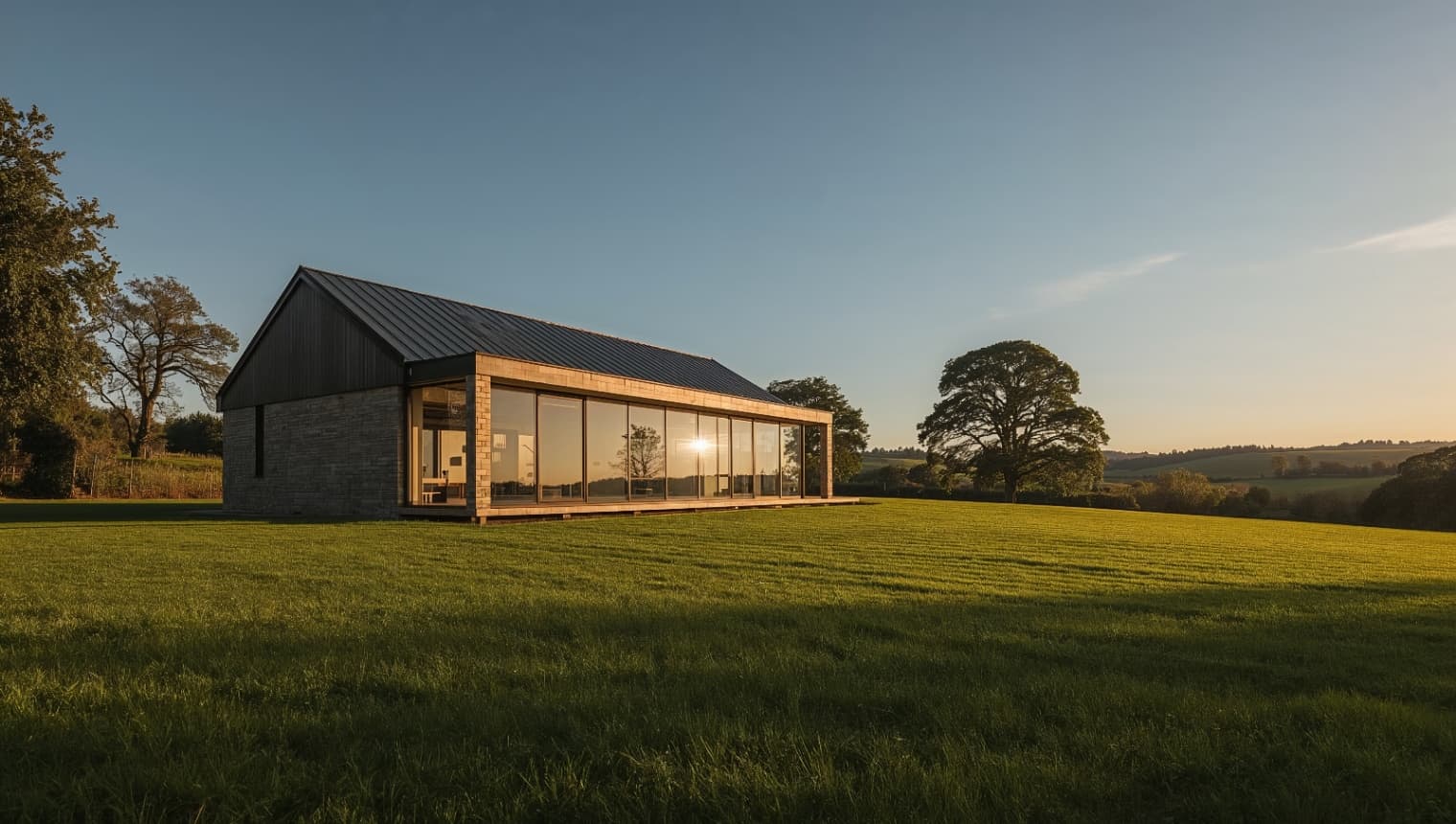
Living With Light: Orientation, Windows, and Comfort
Orient your rooms with intention
Morning light belongs where your day begins. Place the kitchen or breakfast nook to catch first sun, and give bedrooms enough east light to wake gently without overheating. Through the middle of the day, balance south-facing spaces with shading: overhangs, pergolas, and deciduous planting keep summer cool while letting in winter warmth. In the evening, target west light where you unwind—living rooms, terraces, and reading corners—while protecting screen areas from glare. Good orientation is not a luxury; it is a free comfort system that reduces bills and lifts mood.
Window choice follows the same logic. Think of glass as a tool, not a trophy. Slim frames and high-performance units improve views and thermal comfort, but they work best when sized to the room’s purpose. A tall, narrow pane can sculpt morning light along a hallway; a wide, low window can connect a sofa to the garden. Every elevation should earn its openings.

Design shading, don’t fight the sun
Rather than battling heat with oversized cooling, design to avoid it. South and west façades benefit from horizontal shading that blocks high summer sun but admits winter rays. External blinds and louvres are most effective; interior curtains cannot stop heat at the source. Planting helps too: a small tree outside a living window softens light and makes a room feel deeper and calmer. Inside, consider light-colored finishes and breathable materials; they reflect warmth and regulate humidity, making spaces feel cooler at the same temperature. The result is a home that stays pleasant with less energy and less noise.